Saxophone Music: A Font That Adds Personality to Your Brand
Bringing Quirk and Charm to Digital Marketing
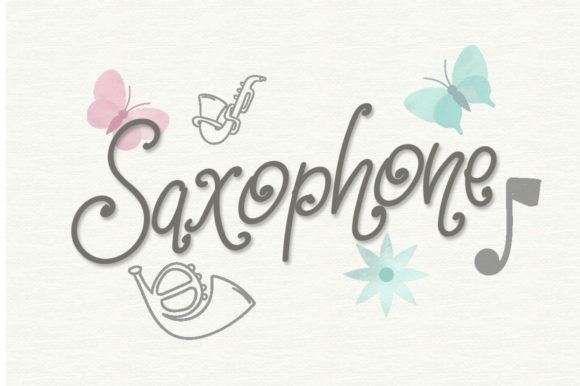
In the fast-paced world of digital marketing, visual appeal plays a critical role in capturing attention. With so many brands vying for user focus, it’s essential to stand out with unique and memorable design choices. Saxophone Music is a script handwritten font that brings an unusual, bouncy, and lovely style to your content. This premium font isn’t just about aesthetics—it's a powerful tool for enhancing brand identity and audience engagement.
As a marketing specialist, I’ve seen how the right typeface can elevate a campaign from ordinary to unforgettable. Saxophone Music offers a distinct personality that adds a playful yet elegant touch to your designs. Whether you're creating social media graphics, email headers, or website banners, this handwritten font has the potential to make your message more engaging and visually compelling.
How Saxophone Music Enhances Brand Communication
One of the key advantages of using Saxophone Music is its ability to create a stronger emotional connection with your audience. The font’s quirky and lively style makes it ideal for campaigns that want to convey warmth, creativity, or a sense of fun. It works particularly well for personal branding, seasonal promotions, and product launches where a unique visual identity is crucial.
For instance, when designing a webinar banner or a content series, Saxophone Music can help set the tone and mood. Its soft curves and flowing lines give your text a sense of motion, making it feel like it’s dancing across the page. This kind of visual energy can be especially effective in online ads, where first impressions matter most.
Additionally, the font’s readability is impressive for short text and headlines. While it may not be suitable for long paragraphs, it excels at callouts, titles, and decorative accents. When used strategically, Saxophone Music can guide the viewer’s eye through your content, helping to establish a clear visual hierarchy.
Optimizing Visual Consistency Across Platforms
Consistency is key in building a strong brand presence. Saxophone Music allows you to maintain a cohesive look across multiple platforms, from Instagram posts to YouTube thumbnails and Pinterest pins. Its versatility means it can adapt to different formats while preserving its signature charm.
For example, when creating social media graphics, using Saxophone Music for headlines and subheadings can add a layer of personality without overwhelming the viewer. Pairing it with a clean sans serif font for captions or body text ensures both style and clarity. This font pairing strategy helps balance the visual impact of the script font with the legibility needed for longer content.
When designing email headers or website banners, consider how Saxophone Music performs on mobile screens. Because of its bold and stylized nature, it should be used sparingly in small previews or thumbnails to ensure it remains readable. Always test how the font looks in different contexts before finalizing your design.
Real-World Applications of Saxophone Music
Let’s look at some practical examples of how Saxophone Music can be applied in real campaigns:
- Sale Announcement: Use the font for the main headline in a promotional graphic to draw attention and create excitement.
- Product Teaser: Apply it to a webinar banner or content series title to build anticipation.
- Inspirational Quote Graphic: Let the font’s flow and rhythm enhance the message with a touch of elegance.
- Online Shop Promotion: Incorporate it into a reels cover or digital ad to attract viewers scrolling through feeds.
- Branded Template: Use it as a logo mark or accent in a brand identity toolkit to reinforce your visual language.
Each of these applications demonstrates how Saxophone Music can be tailored to fit specific goals while maintaining its distinctive character.
Maximizing Readability and Impact
While Saxophone Music is visually striking, it’s important to use it wisely to maintain readability. On fast-scrolling social feeds, avoid overusing the font in body text. Instead, reserve it for headlines, taglines, and key messages where it can have the greatest impact.
For packaging design or logo design, the font’s unique style can help differentiate your brand from competitors. However, always ensure that the font complements the overall design rather than overshadowing it. A well-balanced approach will help your brand communicate clearly and effectively.
When working with commercial fonts, remember to review the licensing terms before using Saxophone Music in client campaigns, merchandise, or digital products. Proper licensing ensures that your use of the font is both legal and ethical.
Conclusion
Saxophone Music is more than just a display font—it’s a versatile and expressive tool for designers and marketers looking to make an impression. From social media graphics to brand identity, this handwritten font adds personality, emotion, and visual interest to your content. By understanding how to use it effectively, you can unlock new creative possibilities and strengthen your brand’s visual communication strategy.